
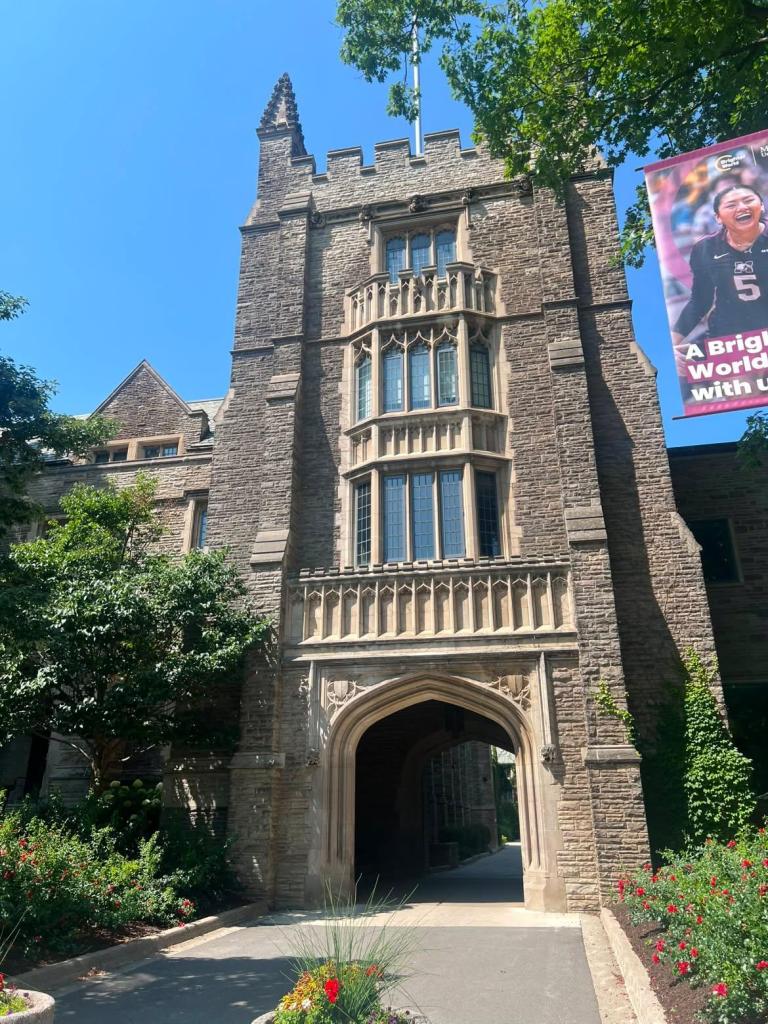
McMaster University has a very different identity from a lot of other Canadian universities, and I noticed that within the first few minutes of arriving on campus. Before visiting any university, it is easy to build an image in your head based on rankings, photos, and whatever reputation has been passed along to you by teachers, family, or the internet. But once you actually walk around a campus in person, you realize that every university creates its own daily experience, one that no ranking list or brochure photo can fully capture.
The question I keep coming back to in this series is not “Is this a good university?” It is something more personal. Could I actually see myself spending four years here? After my first stop in downtown Toronto, McMaster felt like a genuinely different kind of visit. While some campuses blend directly into the surrounding city, McMaster feels like a university campus in the more traditional sense, a defined space built specifically for university life rather than a university that has been woven into an existing city grid
.
First Impression: A True University Campus Feeling
Arriving at McMaster, the first thing I noticed was how clearly defined the campus felt. There is a real sense of arrival here. You cross into an area that is distinctly the university, surrounded by green space, with students walking between buildings in a way that feels contained rather than scattered across city blocks.
The atmosphere is noticeably quieter than what I experienced downtown. There is a sense of separation from the outside world, not in an isolating way, but in a way that makes it clear you are somewhere built specifically for students. Buildings are arranged around open spaces and walking paths rather than public streets, and the overall pace feels slower and more settled.
This distinction matters more than it might initially seem. A student does not just attend classes at a university. They spend years living inside its environment, walking the same paths, sitting in the same green spaces, and building routines shaped by whatever atmosphere surrounds them. McMaster genuinely feels like a place built for that kind of long term living, and that became obvious almost immediately.
The Biggest Strength: The Campus Environment
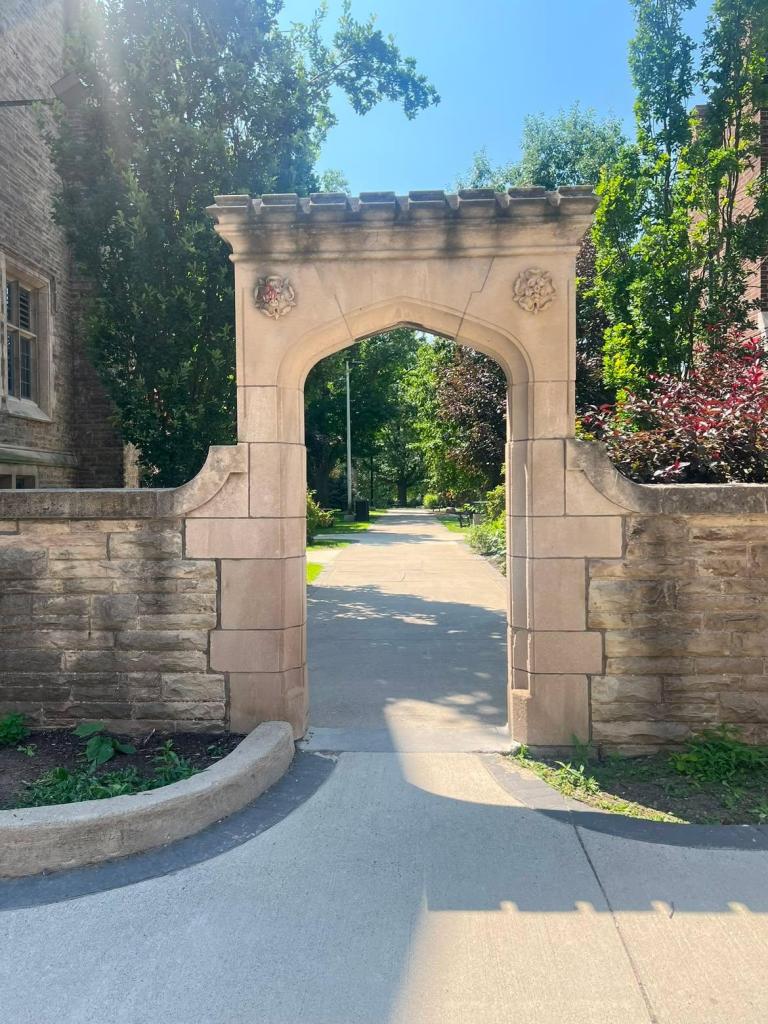
If I had to point to one thing that stood out most about McMaster, it would be the environment itself. This campus has a level of green space and natural surroundings that I was not fully expecting.
There are forested areas bordering parts of the campus, along with walking paths that wind through trees and open fields. Quiet corners are easy to find, whether that means a bench tucked away near a wooded path or an open field where students are sitting with laptops or just relaxing between classes. The overall feeling is one of being away from constant city activity, even though the campus is still well connected to the surrounding area.
Walking across McMaster feels noticeably different from walking through a downtown university. Instead of navigating busy streets, dodging traffic, and sharing sidewalks with people who have nothing to do with the university, you are moving through a more traditional campus setting where most of what surrounds you is directly tied to student life. There is something calming about that. Everyday tasks like walking to class or grabbing something to eat between lectures feel less rushed and less chaotic here, and over four years, that kind of daily calm can genuinely add up.
Could I Picture Myself Studying Here?
Trying to imagine myself as an actual student here, a few images came to mind pretty naturally. Walking to a morning lecture across a quiet, tree lined path instead of a busy downtown street. Finding a spot outside to study on a nice day, something that felt much more realistic here than it did in a denser urban setting. Running into friends between classes simply because the campus is small enough that paths tend to overlap. Watching the campus shift in appearance as the seasons changed, and staying late some evenings for a club meeting or event without feeling like I had to navigate a huge, spread out city to get there.
The bigger question I kept asking myself was whether this environment would feel comfortable and sustainable over four full years, not just for a single afternoon visit. And honestly, I think it would. There is something about McMaster’s atmosphere that makes it easy to imagine settling into a routine here. The campus is compact enough to learn quickly, calm enough to not feel overwhelming, and active enough that you would not feel disconnected from other students.
The Beauty of McMaster: More About Nature Than Architecture
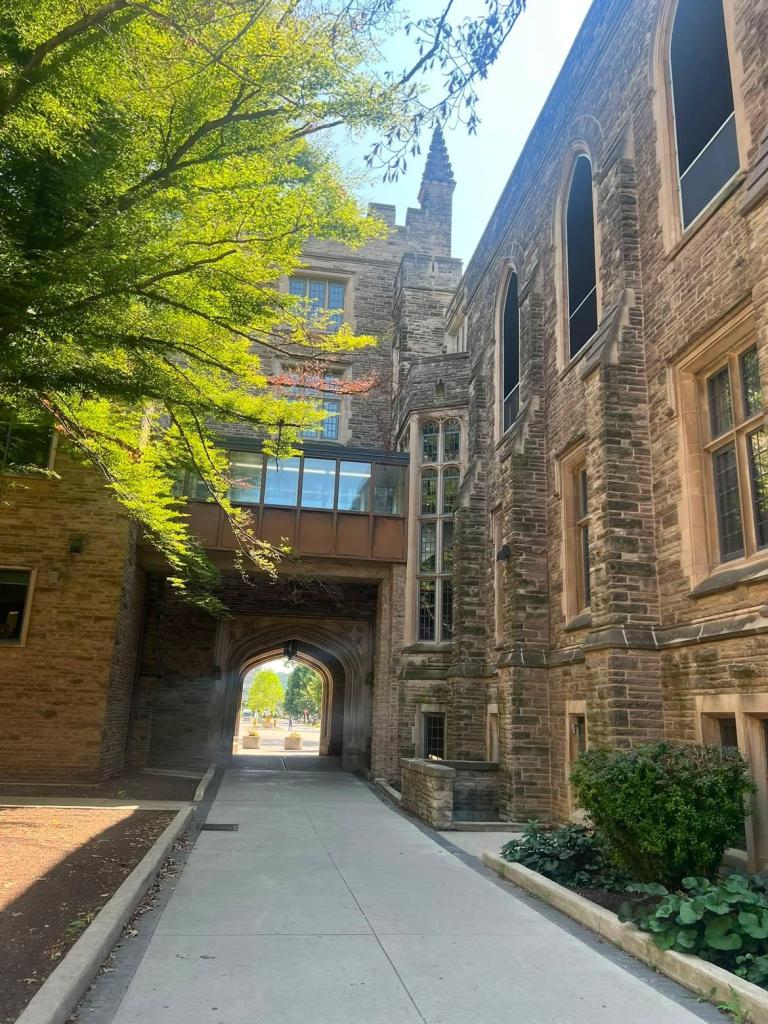
It would not be honest to describe McMaster’s campus without addressing its appearance directly, because it is genuinely different from a campus like UofT St. George.
McMaster does have beautiful areas, particularly its green spaces, wooded pathways, and open outdoor areas. These parts of campus have a calm, natural beauty that is hard to replicate on a more urban campus.
Not every building on campus is going to stop you in your tracks the way an old stone building with detailed carvings might. What makes McMaster visually appealing is less about any single standout building and more about the overall environment and layout working together, the way green space, pathways, and buildings all combine into a cohesive, pleasant setting rather than a collection of individually impressive structures.
Comparing Campus Personality: McMaster vs Downtown Universities
Without trying to rank one over the other, it is worth comparing the overall personality of these two very different types of campuses, since that comparison says a lot about the kind of lifestyle each one creates.
A downtown university, like UofT St. George, tends to offer endless city opportunities, restaurants and entertainment scattered throughout the surrounding blocks, and a generally fast paced environment shaped by constant activity around you.
McMaster offers something different. A dedicated, self contained campus. More nature and green space woven directly into daily life. A noticeably quieter atmosphere. And a stronger overall feeling of being “at university” in the traditional sense, separate from the busyness of a major city.
Neither experience is better than the other. They simply attract different types of students who are looking for different things out of their day to day university life.
Daily Life Around Campus
On the practical side, daily life at McMaster looks a bit different from a downtown school. After class, students tend to stay closer to campus rather than dispersing into a surrounding city, since most of what they need, food, study spaces, and social areas, is located within or very close to the university itself.
Getting food on campus is generally convenient, with several dining options available directly within university buildings. For anything beyond what is immediately on campus, students typically need to rely on a short drive, a bus, or a longer walk, since the surrounding area is more residential and suburban compared to a downtown core. Transportation around the broader Hamilton area is manageable but does require more planning than simply walking a few blocks, which is worth keeping in mind for anyone used to city living.
These details might seem small, but they matter because students experience them every single day, not just once in a while. A convenient five minute walk to get food feels very different over four years than a twenty minute transit ride, and it is worth being realistic about which one fits your expectations.
The Student Atmosphere
The overall atmosphere created by the student body here feels active without being overwhelming. Because the campus is more contained, there are natural gathering spaces where students consistently spend time, whether that is a central courtyard, a green space, or common areas inside academic buildings.
Students seem to spend a fair amount of time outside when weather allows, and there is a general sense of connection that comes from a smaller, more defined environment. A campus like this naturally encourages more interaction simply because there are fewer places to disappear into. You are more likely to see familiar faces throughout the week, which can make the campus feel more like a genuine community rather than just a place you pass through between classes.
The Seasons at McMaster
One thing that became clear during my visit is how much the seasons shape the overall feeling of this campus, more so than I expected. In the fall, the wooded areas and walking paths take on that classic seasonal look, with changing leaves adding a lot of color to the outdoor spaces. Winter noticeably changes the atmosphere too, since the campus becomes quieter and the outdoor areas that are so central to daily life during warmer months become less usable for lingering, though the paths are still functional for getting around.
Spring and summer bring the outdoor areas back to life, with more students studying outside, using the green spaces, and taking advantage of the walking paths. Because so much of McMaster’s identity is tied to its natural surroundings, the seasons genuinely influence the overall experience here more than they might at a campus that is more architecture and building focused.
What Surprised Me Most
A few things stood out as genuinely unexpected during this visit. I was surprised by how strongly McMaster felt like a traditional university campus, especially coming right after visiting a school that blends so directly into a major city. I was surprised by how peaceful the overall environment felt, even during a weekday when the campus was clearly active. I was surprised by just how much nature surrounds the university, more than I expected from a school this well known and this large. And I was surprised by how easily I could picture actually spending years here, settling into a routine, and feeling comfortable within the boundaries of the campus itself.
What I Loved About McMaster
A few specific aspects of this campus stood out as genuine strengths.
The Campus Feeling. It is genuinely rare for a university to feel this separate and intentional, like it was designed specifically around student life rather than layered on top of an existing city. That distinct identity is one of McMaster’s biggest advantages.
Nature. The green spaces, wooded paths, and outdoor areas contribute a lot to the overall student experience here, offering a kind of calm that is hard to find on a more urban campus.
Atmosphere. The overall pace of the campus feels comfortable and welcoming rather than overwhelming, which matters a lot for day to day mental energy over a full academic year.
Sense of Community. A more contained, dedicated campus naturally makes it easier to feel connected to other students and to the university as a whole.
Honest Drawbacks
To keep this balanced, it is worth being direct about the limitations too.
Limited Surrounding Area. Compared to downtown universities, there are fewer restaurants, shops, and entertainment options immediately surrounding campus. Exploring beyond the university generally requires more planning and more time.
Transportation. Students may need to travel farther for certain activities, whether that means public transit or a car, compared to a campus where everything is within a short downtown walk. This is not necessarily a negative, but it is an important consideration for daily planning.
Who Would Thrive at McMaster?
Certain types of students seem especially well suited to this environment. Students who want a traditional university experience, complete with a defined campus and a clear sense of separation from the outside world, will likely feel very comfortable here. Students who genuinely enjoy nature and outdoor spaces will find a lot to appreciate in the surrounding environment. Anyone who prefers quieter, calmer daily surroundings over constant city activity will likely feel more at ease at McMaster than at a downtown school. Students who want to feel fully surrounded by university life, rather than sharing their environment with a broader city population, will likely appreciate the self contained layout. And students who value a strong, community focused atmosphere will probably find that easier to build here than on a more spread out campus.
Final Thoughts: Would I Choose McMaster?
McMaster’s greatest strength lies in the overall experience it creates rather than any single standout structure. The combination of nature, quiet surroundings, a true dedicated campus, and a student focused atmosphere comes together into something genuinely unique among Canadian universities.
For students who want a traditional university experience, one built around a defined campus rather than integrated into a major city, McMaster offers one of the strongest environments in the country. It is calm without feeling disconnected, contained without feeling limiting for the right kind of student, and genuinely easy to imagine building a daily routine within.
The main lesson from this visit reinforces the whole point of this series. The best university campus is not necessarily the one with the most impressive photos or the flashiest reputation. It is the one where you can genuinely imagine yourself living your everyday life, walking the same paths, finding your own routines, and feeling comfortable doing it for four straight years.
 Motieve
Leave a comment